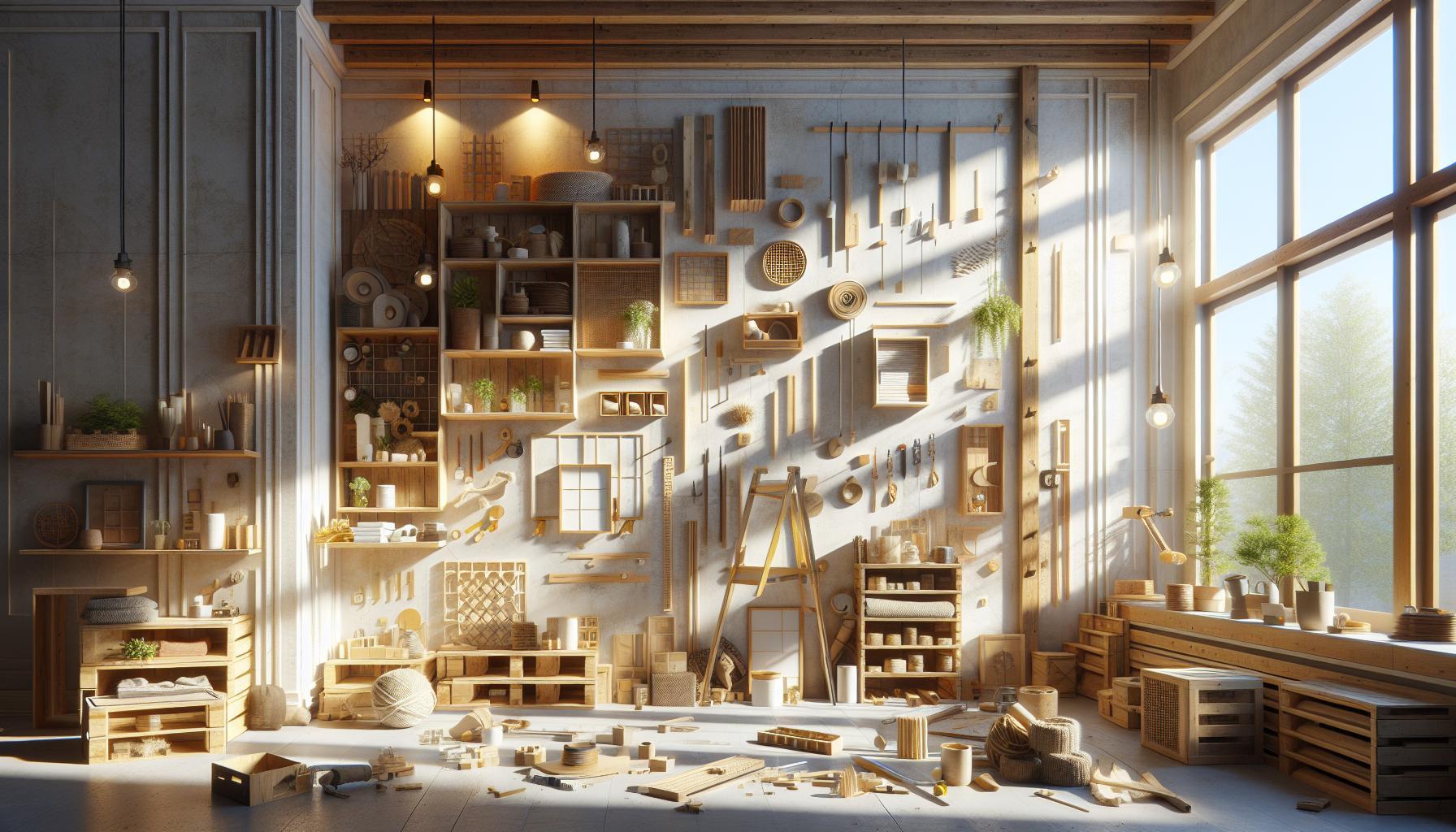
Building a wall can transform your space, providing privacy, structure, or even a touch of style. Whether you’re expanding your home or creating a garden barrier, knowing how to construct a wall is essential for every homeowner. This guide will walk you through simple, effective steps to achieve stunning results on your DIY project.
Understanding the Basics: Types of Walls You Can Build
Building walls is a essential aspect of home construction and renovation that can substantially impact both functionality and aesthetics. Whether you’re looking to create new rooms, divide spaces, or improve energy efficiency, understanding the variety of walls available is crucial. The two primary categories of walls you might consider are *load-bearing* and *non-load-bearing* walls, each serving distinct purposes.
Load-Bearing Walls
Load-bearing walls are essential components of a buildingS structural integrity. They support the weight of the roof, upper floors, and any added loads, directing this weight down to the foundation. Constructing or modifying load-bearing walls requires careful planning and frequently enough consultation with a professional to ensure safety and compliance with building codes. Typical materials for load-bearing walls include:
- Wood Stud Framing: Commonly used in residential buildings, wood studs provide strength while allowing for easy installation of drywall.
- Steel Framing: Ideal for larger buildings, steel studs are durable and resistant to pests, fire, and warping.
- Masonry: Brick and concrete block walls are robust and excellent for high-load situations.
Non-Load-Bearing Walls
In contrast,non-load-bearing walls primarily function as partitions,separating spaces without supporting any structural loads. while they can be moved or removed without compromising the building’s integrity, they still require proper construction methods to ensure stability.Popular choices for non-load-bearing wall construction include:
- Stud Walls: comprising wooden studs with drywall attached, these walls are relatively easy to construct and modify.
- Partition Walls: Frequently enough made with light materials, partition walls can be used in commercial settings to define office spaces.
- Glass Walls: Increasingly popular in modern homes, glass walls create an open feel while still providing some separation between rooms.
Understanding these basic types of walls is crucial for anyone considering a DIY project or renovation. When learning how to build a wall, knowing the difference between load-bearing and non-load-bearing walls will aid in making informed decisions about designs and materials, ensuring a successful outcome for your project. Whether embarking on a major renovation or a simple room division, the lessons from “How to Build a Wall: Step-by-Step DIY for Every Homeowner” will empower you to transform your living space effectively.
Tools and Materials You’ll Need for Your Wall Project
When embarking on a wall-building project, having the right tools and materials is crucial to ensure a successful outcome. Not only do these elements facilitate a smoother construction process, but they also contribute to the overall quality and durability of your wall. By preparing adequately, you can represent the ethos of DIY—creating something notable while saving time and money. Whether you are building an interior partition, a garden wall, or simply adding decorative touches, here’s what you’ll need to get started.
Essential Tools
To efficiently execute your wall-building plan, gather these tools:
- Measuring Tape: For accurate measurements.
- Level: To ensure your wall is straight.
- Stud Finder: essential for locating wooden or metal studs behind drywall.
- Saw: Choose between a hand saw or circular saw based on your wall material (wood, plywood, etc.).
- Drill: A power drill will save time when driving in screws.
- hammer: For nailing components together.
- Safety Goggles and Gloves: Always prioritize safety while working with tools.
Materials Needed
The materials required will depend on the type of wall you’re building and its intended use. Here’s a foundational list to consider:
| Material | Description |
|---|---|
| Framing Lumber: | 2×4 or 2×6 boards for structural support, depending on wall height and weight. |
| Drywall: | Standard for interior walls; use moisture-resistant types for bathrooms. |
| Screws/Nails: | Drywall screws and framing nails for assembly. |
| Insulation: | optional, but recommended for thermal and soundproofing. |
| Paint or Finish: | To complete and enhance the aesthetic of your wall. |
Having these tools and materials on hand before you start will streamline your process as you follow the step-by-step guide to building a wall. proper preparation not only empowers your DIY spirit but also minimizes mishaps that could delay your project. Whether you are a seasoned builder or a beginner, being equipped will make the task more enjoyable and rewarding.
Preparing Your Site: Essential Steps Before You Start
Before diving into your wall-building project, it’s crucial to prepare the site adequately. A well-prepared site not only ensures that your structure is stable and durable but also simplifies the construction process. Neglecting this step can lead to complications that may affect the alignment,stability,and overall aesthetic of your new wall. The groundwork you lay now will pay off in the long run,minimizing potential headaches and rework.
Begin by clearing the area where the wall will be erected. This includes removing any vegetation, debris, or existing structures that may obstruct your work. A clean site allows for accurate measurements and reduces the risk of accidentally hitting underground utilities. Therefore, take the time to plan and clear the area properly before you start.
Next, it’s essential to mark out the boundaries of your wall. You can use spray paint or string to outline the dimensions accurately. This marking serves as a visual guide throughout the building process. Ensure the layout is square by measuring diagonally from corner to corner; both measurements should be equal for a perfectly squared layout. This precise preparation sets the foundation for the entire project, enhancing the likelihood that your wall will be straight and level.
consider the soil type and drainage in your designated area. Different soil compositions can affect the stability and longevity of your wall. For example, sandy soil drains well but lacks compaction, whereas clay soils can retain water and lead to erosion. If your site is prone to water accumulation, implementing a drainage system might be necessary to channel excess moisture away from the wall’s base. Taking these aspects into account will help you build a wall that not only looks great but also lasts for years.
by systematically preparing your site – cleaning, marking, and assessing the soil – you position yourself for success in this DIY project. This foundation will not only facilitate efficient construction but also ensure the resilience and functionality of your wall in the years to come.
Step-by-Step Guide to building a Brick or Block Wall
Building a brick or block wall can be a rewarding project that enhances your property’s aesthetics and functionality. With careful planning and the right techniques,even a beginner can create a sturdy structure that withstands the test of time. this guide provides you with a clear roadmap on how to build a wall, equipping you with essential knowledge to embark on this DIY journey.To start, gather your materials and tools.Essential supplies include bricks or blocks, mortar, a trowel, a level, a masonry hammer, and a measuring tape. Before laying any bricks, it’s critical to outline the wall’s design. Use a string line or a story pole to mark where the wall will be built, ensuring it is straight and at the desired height. This preliminary step helps visualize the project and prevents costly mistakes later on.
Once your layout is established,begin with a solid foundation. Dig a trench for the footing, usually about twice as wide as the wall and deep enough to reach solid ground—generally a minimum of 12 inches. Fill this trench with concrete to create a sturdy base. It’s essential to allow the footing to cure according to the manufacturer’s instructions before proceeding. A well-prepared foundation is vital for the durability of your wall.
As you prepare to lay your bricks, follow these steps for optimal results:
Laying the first Course
- Mix the mortar to a peanut butter consistency to ensure it holds the bricks securely.
- Spread a layer of mortar on the footing, about 1 inch thick.
- Begin laying your first brick at one end of the wall, pressing it firmly into the mortar with a slight twist.
- Use a level to ensure bricks are even, adjusting as needed. Continue laying bricks, leaving a consistent 3/8-inch gap for mortar between them.
building Upward
Continue adding bricks, making sure to overlap joints with each new row. This staggered pattern enhances the wall’s strength. As you progress, periodically check the level and line of your wall. Don’t forget to clean excess mortar from the face of the bricks before it hardens, which will simplify your finishing work.
Once the wall reaches the desired height, allow it to cure wholly before applying any finishes or pressure. This self-sufficient project not only improves your home’s aesthetic appeal but also instills a sense of accomplishment as you stand back to admire your handiwork. With these detailed steps on how to build a wall, you’re well on your way to becoming a proficient DIYer while enhancing your property’s value and functionality.
Tips for Creating a Stunning Decorative Wall Feature
Creating an impressive decorative wall feature can transform a room’s aesthetic, serving as a focal point that captures attention and enhances overall decor. A stylish accent wall not only expresses your personality but also sets the mood for the space. Whether you’re considering a bold paint color, textured materials, or a creative arrangement of art pieces, here are some tips to guide your DIY project that aligns with the principles from *How to Build a Wall: Step-by-Step DIY for Every Homeowner*.
Choose Your Style Wisely
The first step in creating a stunning decorative wall feature is to define your personal style and the ambiance you wish to evoke. Think about the overall theme of your home and how this new feature will integrate. as an example,if your home has a contemporary feel,sleek panels or geometric patterns might be ideal. In contrast, a rustic home could benefit from exposed wood beams or a reclaimed wood accent. Consider these popular styles:
- Industrial: Use metal accents and raw materials.
- Bohemian: Layer textiles and colorful art.
- Minimalist: Opt for subtle monochromatic colors.
color Makes a Difference
Selecting the right color is crucial for creating an impactful wall feature. Bold colors can energize a space, while soft hues can create a calming effect. Referencing color theories can help you choose complementary colors that enhance your decor. Remember, you can also use paint to define different sections of the wall or to create patterns. Such as, a two-tone wall design can visually break up a larger space and add depth.
Incorporate Texture and Materials
Texture adds dimension and interest to any wall feature. Using different materials can create a striking look, whether you decide on shiplap, brick veneer, or even fabric. Texture can be introduced through various means:
- Wood paneling: Offers warmth and sophistication.
- Textured wallpaper: Comes in thousands of patterns and can add depth.
- Artwork and wall decor: 3D elements like shelves or mountable art pieces can add layers.
When planning your design, make sure the textures you choose complement each other to avoid overwhelming the space.
Plan Your lighting
Proper lighting can elevate your wall feature,highlighting its beauty and drawing attention to specific elements. Consider using wall sconces or LED strip lights to create a subtle spotlight effect. Adjustable lighting or dimmers can allow you to change the mood according to the time of day or occasion. A well-lit wall not only enhances visibility but also creates an inviting atmosphere in your space.
By combining careful planning,a keen sense of style,and the right materials,you can create a decorative wall feature that not only stands out but is a true reflection of your taste and creativity.
Safety First: Best practices for a Secure Build
Building a wall can be an exciting project for any homeowner, offering not only functional improvements to your property but also the satisfaction of crafting something with your own hands. However, undertaking such a task requires a commitment to safety that cannot be overlooked. Ensuring safety during construction safeguards not only yours but also the well-being of anyone involved or nearby. From the right gear to aware practices, prioritizing safety will pave the way for a successful project.To begin, it’s essential to equip yourself with the correct safety gear before starting any work. this includes a hard hat, safety goggles, gloves, and steel-toed boots. Each of these items serves as a protective barrier against potential hazards, such as falling debris or sharp tools. Consider the following list of essential gear for your wall-building project:
- Hard Hat: protects your head from impact.
- Safety Goggles: Shields your eyes from dust and flying particles.
- Gloves: Helps prevent cuts and abrasions.
- Steel-toed Boots: Shields your feet from heavy materials.
Furthermore, pre-planning the worksite is crucial to mitigate risks associated with construction.A clutter-free area not only improves efficiency but also minimizes the chances of tripping or falling. Ensure that tools are stored safely when not in use, and establish designated zones for materials. Be aware of your surroundings by checking for overhead power lines and ensuring that the ground is stable and well-prepared.
In addition to personal protection and site institution, having a first-aid kit on hand is a non-negotiable component of safety preparedness. In the event of an accident, knowing that help is within reach can be comforting.Stock your first-aid kit with essentials such as antiseptics,bandages,and gauze,and make sure everyone involved in the project knows its location.
Taking these precautions can significantly enhance the overall safety of your DIY wall-building endeavor, allowing you to focus on learning how to build a wall step-by-step without unneeded interruptions. Remember, a secure build not only reflects good workmanship but also promotes a safer surroundings for everyone involved.
Maintaining Your Wall: Caring for Your Creation
Maintaining the integrity of your newly constructed wall is essential not only for its aesthetic appeal but also for its longevity. Once you’ve successfully navigated the journey of building a wall through the guide on DIY construction techniques, it’s important to turn your attention to regular care and maintenance. Proper upkeep can prevent minor issues from escalating and can keep your walls looking freshly built for years to come.
To start, dusting your walls regularly helps prevent the buildup of dirt and grime, which can degrade the paint or finish. use a microfiber cloth or a soft duster to gently wipe down surfaces. For stains or marks, it’s wise to keep a homemade cleaner on hand.A mixture of mild soap and warm water is usually effective. Apply it with a soft cloth, scrubbing gently in circular motions to avoid damaging the paint or drywall underneath, as recommended by experts from painting brands like Sherwin-Williams[[3]].
Tips for Effective Wall Maintenance
To streamline your wall care routine, consider implementing the following tips:
- Avoid direct Heat and moisture: Keep your walls dry and away from direct heat sources. Excessive moisture can lead to mold growth, while heat can cause paint to peel.
- Choose the right Cleaners: When tackling stubborn marks, be sure to use cleaning products that are specifically formulated for painted surfaces to avoid damage.
- regular Inspections: periodically check for cracks,peeling paint,or signs of water damage,which can be addressed early on to prevent larger repairs later.
A well-maintained wall contributes significantly to the overall ambiance of your space.By adhering to these practical maintenance tips sourced from expert advice on wall care, you can prolong the life of your new design. After all, your investment in building a wall deserves the attention and care that ensures its beauty and functionality endure over time.
Common Mistakes to Avoid When Building a Wall
When embarking on a project to construct a wall, even seasoned DIY enthusiasts can run into a variety of pitfalls that may compromise the integrity and appearance of their work. Knowing these common mistakes can save both time and money while ensuring a successful build. Understanding these issues will empower you as you follow the thorough guide on how to build a wall step-by-step, allowing you to create a sturdy, enduring structure.
Neglecting Proper Planning
One of the most critical mistakes made during wall construction is insufficient planning. Skipping this step often leads to important changes during the build process, resulting in wasted materials and time. Prior to starting, make sure to prepare accurate measurements, and consider factors such as the wall’s intended purpose, height, and thickness. Performing a site analysis and checking local building codes will also help ensure that your wall adheres to regulations and meets regional standards.
Ignoring Soil and Foundation Conditions
Another common oversight is failing to assess the soil conditions before laying a foundation.Soil stability is crucial for wall durability. Engaging a geotechnical engineer for a soil test can highlight potential issues that need addressing. As an example, compacted soil may require additional measures such as drainage solutions to prevent water accumulation, which can undermine the wall’s foundation over time. Remember, a well-prepared foundation is vital for a strong wall structure.
Improper Material Selection
Using the wrong materials for the specific wall type you are building can lead to significant long-term problems. For instance, using standard bricks for a retaining wall when specialized blocks designed to withstand lateral pressure would be more appropriate could result in structural failures. Always ensure you choose materials based on their durability, suitability for climate conditions, and overall aesthetic appearance. Below is a fast guide to select appropriate materials:
| Wall Type | Recommended Materials | Key Considerations |
|---|---|---|
| Retaining Wall | concrete blocks, poured concrete | Must withstand earth pressure; ensure proper drainage |
| Interior Partition Wall | Drywall, lightweight metal studs | Focus on sound insulation and weight considerations |
| Exterior Garden Wall | Stone, bricks, treated wood | Consider weather resistance and aesthetic integration |
Ignoring proper techniques
it’s crucial to employ proper building techniques throughout the wall construction process. This includes ensuring vertical alignment and level measurements during construction. Using a level and square frequently can help maintain accuracy. Inadequate joining methods can also lead to weaknesses; as an example, insufficient mortar between bricks can jeopardize structural integrity. By adhering to recommended practices and consistently verifying your work, you can ensure that the wall you build stands the test of time.
Avoiding these common mistakes not only enhances the quality of your wall but also contributes to a more satisfying building experience. The insights drawn from “How to Build a Wall: Step-by-Step DIY for Every Homeowner” will serve as a valuable reference as you construct a dependable structure tailored to your needs.
Faq
How do I get started on building a wall?
To get started on building a wall, first determine the wall location and dimensions. Use a stud finder to locate existing studs if building within an existing room. Next, gather all necessary tools and materials, including lumber, nails, a saw, and a level. Consider following a step-by-step guide to make the process easier.
What materials do I need to build a wall?
You will need framing lumber, drywall, nails or screws, and tools like a saw, level, and hammer. When constructing a wall, ensure the lumber is appropriate for your wall type—typically 2×4-inch framing lumber for interior walls. Additionally, you may need insulation and electrical materials if you’re adding outlets.
Can I build a wall myself?
Yes, building a wall can be tackled by most homeowners, even beginners. With some basic tools and a clear understanding of the steps involved, you can confidently complete this DIY project. many resources, including videos and instructional articles, are available to guide you throughout the process.
How long does it take to build a wall?
Building a wall typically takes about one to two days,depending on the wall’s complexity. Simple walls may be completed in a day, while those requiring electrical work or windows will take additional time. Planning and preparation can significantly reduce your overall project time.
What tools do I need to frame a wall?
You will need essential tools like a circular saw, measuring tape, level, hammer, and a stud finder. Additionally, a power drill can be handy for enhanced efficiency. Right tools ensure accuracy and save time when framing your wall, so be sure to gather everything before starting.
Why does wall framing matter?
Wall framing is crucial as it provides the structural integrity of your wall. A well-framed wall supports drywall installation and ensures the wall can withstand forces such as wind and stress.Proper framing also allows for housing electrical installations and plumbing as needed.
What are common mistakes when building a wall?
Common mistakes include inaccurate measurements, not using a level, and failing to secure studs properly. These errors can lead to an uneven or unstable wall. To avoid these issues, double-check measurements and ensure all components are aligned correctly before securing them.For more tips, consider reading a detailed guide on wall construction.
Closing Remarks
Building a wall can seem daunting, but with the right guidance and a bit of perseverance, you can take on this DIY project with confidence. Whether you’re adding a little privacy to your space or creating a new room entirely, the process is structured, straightforward, and incredibly rewarding.
Start by gathering your materials—studs, drywall, screws, and tools—and take the time to plan your layout clearly. Measure twice, cut once! As you frame the wall, remember that precision is key; secure those studs firmly to ensure stability. next comes the drywall, which you’ll hang and finish for a smooth, professional look. don’t forget the paint or finishing touches to make your new wall truly yours.
Remember, every expert was once a beginner, and each step you take not only builds your wall but also your skills. So, roll up your sleeves and dive into the task—your creative potential is limitless! If you found this guide helpful, consider exploring more DIY projects that can elevate your home or transform your living space even further. Happy building!