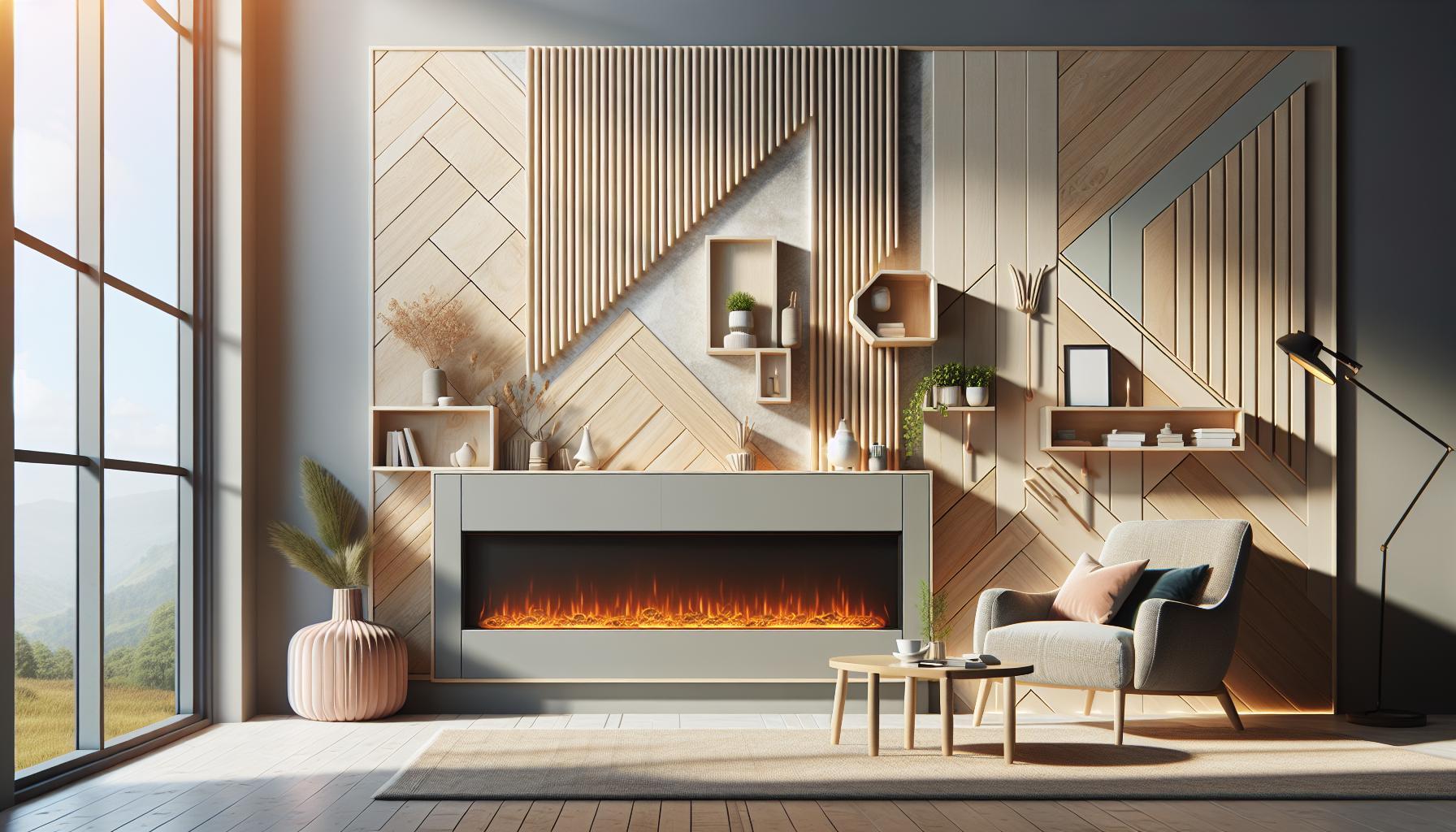
Unlocking the potential of your living space can feel overwhelming, but a simple accent wall is a stylish solution that brings personality and flair to any room. This design element not only enhances visual interest but also provides a unique prospect to express your creativity without a complete makeover. Whether you choose bold colors or intricate patterns,building an accent wall can transform your environment effortlessly.
Choosing the Right Wall for Your Accent Project
When creating a striking accent wall, choosing the right wall is crucial in setting the tone for your entire space.Frequently enough, the wall you select will become the focal point of the room, transforming it from ordinary to exceptional. to maximize the impact of your accent wall, consider factors such as room layout, natural light, and existing decor. If done thoughtfully, an accent wall can highlight architectural features or serve to soften the overall aesthetic of the space.
Factors to Consider
When determining which wall to transform, ask yourself the following questions:
- What is the main purpose of the room? A living room accent wall should evoke warmth and invite conversation, while a bedroom accent wall may inspire tranquility.
- What is the wall’s visibility? Select a wall that is easily seen when entering the room. It should naturally draw the eye, allowing your design choices to shine without overwhelming the space.
- How does lighting affect the wall? Analyze the natural light in the room. Walls that receive abundant natural light can support bolder colors or intricate patterns, whereas darker, dimly lit rooms may benefit from lighter shades to enhance brightness.
- Which wall complements the décor? Consider adjacent walls and furnishings. An accent wall should harmonize with the overall color palette and style, creating a cohesive look rather than feeling disconnected.
Practical Examples
For a cozy living room, the wall behind the sofa often serves as an excellent choice for an accent wall; painting or adding texture here can enhance the area without overpowering it. For smaller spaces, like a hallway, consider a single accent wall adorned with art or wallpaper to create depth and interest, drawing the eye along the corridor.
Moreover, kitchens, frequently enough overlooked for accent walls, can incorporate vibrant colors or unique materials to create a cheerful cooking environment. Imagine a striking tile backsplash or a bold, painted wall framing your dining area, elevating the ambiance of your culinary space.
Ultimately, selecting the perfect wall for your accent project involves a balance of aesthetics and practicality, ensuring that your design enhances the overall feel of the room. By thoughtfully considering these factors,you can effectively transform your space with style,making every room a testament to your unique taste and creativity.
Exploring Popular Materials for Your Accent Wall

Creating an accent wall can dramatically impact the atmosphere of a room, making it feel more vibrant and alive. When considering how to enhance your space, the choice of materials can be just as crucial as the color you select. There are various materials that can be used to achieve a unique aesthetic, each with its own benefits and considerations. From conventional paint to contemporary tiles,understanding these materials can definitely help you transform your space with style.
Paint
One of the most versatile options for an accent wall is paint. Whether you choose a bold color to make a statement or a soft shade for a subtle touch, paint allows for endless creativity. It’s easily accessible and offers a variety of finishes such as matte, satin, or gloss, each providing a diffrent visual effect. When selecting paint, consider using high-quality brands that ensure durability and vibrant colors that won’t fade over time.
Wood Paneling
Wood paneling has made a notable comeback, adding warmth and texture to interior spaces. Options range from reclaimed wood for a rustic feel to sleek, modern panels for a contemporary aesthetic. Consider using tongue-and-groove boards or shiplap for a clean look. The addition of wood can enhance the acoustic properties of the room as well, making it feel cozier.
Stone and Brick
Natural stone or faux brick can create a stunning focal point in any room. Exposed brick offers a vintage charm, while stone elements can give a luxurious vibe. If you prefer a more budget-amiable option,brick veneer is a great option – it offers the same aesthetic appeal at a fraction of the cost. A feature wall made of stones or bricks can serve as an excellent backdrop for furniture and art.
Textile and Fabric
Using textiles can soften the overall look of a room. Fabric panels or wall hangings can add dimension and warmth, providing an inviting atmosphere. Additionally, you can consider installing a quilt or a large tapestry for a distinctive touch. It’s also an excellent way to introduce patterns without overwhelming the space.
| Material | Pros | Cons |
|---|---|---|
| Paint | Versatile, cost-effective, and easy to update | Can chip or fade over time |
| Wood Paneling | Warmth, texture, and aesthetic variety | Can be expensive and heavy to install |
| Stone and Brick | Durable and adds character | Heavier and more expensive to install |
| Textile and Fabric | Softens the space, adds warmth | May be less durable and harder to clean |
By exploring these materials, you can discover innovative ways to implement an accent wall that not only enhances your decor but also reflects your personal style. The key to a prosperous accent wall is balancing these materials with the existing elements in your room, ensuring a cohesive and visually appealing finish that truly transforms your space.
Creative Color Schemes and Patterns That Pop

Creating a standout accent wall is all about embracing creativity through vibrant colors and eye-catching patterns. These choices have the potential to transform a simple room into a personalized haven, helping to express your individual style and breathe life into your space.Whether you are looking to instill energy and vibrancy or a calm retreat, the right combination of colors and patterns can make all the difference.
Exploring Color Combinations
When it comes to selecting color schemes, consider pairing contrasting hues for a dynamic look. As an example, a vivid teal or cobalt blue can be beautifully complemented by soft coral or sunny yellow, creating a lively focal point. In contrast, soft monochromatic shades can also evoke tranquility; imagine a serene palette of varying gray tones punctuated by a bold onyx black accent.
- Bold and Bright: Choose colors that pop, such as fuchsia paired with lime green.
- Earthy Tones: Combine terracotta with deep forest green for a grounded, nature-inspired feel.
- Neutral Base: Use grays or beige as a backdrop and add accents of electric purple or burnt orange.
Implementing Patterns for Visual Impact
Incorporating patterns is another fantastic way to enhance your accent wall. Whether you prefer stripes, geometric designs, or even a floral motif, a well-placed pattern can add texture and depth. Stripes can visually elongate a space, while geometric shapes can bring a modern flair that resonates with contemporary aesthetics.
Consider using wallpaper with intricate patterns or paint techniques like stenciling to create a custom look. Here are a few suggestions for impactful patterns:
- Chevron: A bold zigzag pattern can energize a space.
- Arched Shapes: Curved lines can soften a room, creating a more organic feel.
- Polka Dots: Fun and whimsical, perfect for a children’s room.
By thoughtfully selecting both color schemes and patterns,you can successfully harness the power of an accent wall to energize your home. This approach not only adds visual interest but also makes your space distinctly yours, embodying both style and function. Remember, the key to a successful accent wall is to choose elements that harmonize with the overall aesthetic of your home, making it a cohesive part of your design narrative.
Step-by-Step Guide: Preparing Your Wall Surface

Before diving into the artistic elements of designing an accent wall, it’s crucial to start with a well-prepared surface. A meticulously prepared wall not only enhances the final appearance but also ensures the durability of your paint or material choice. Skipping this step may lead to an unsatisfactory finish and could diminish the visual impact you’re aiming for. Whether you’re opting for a bold color or a textured finish,preparation sets the stage for a successful transformation.
Assessing the Current Wall
Begin by evaluating the wall you’ve chosen for your accent.Look for any cracks, uneven surfaces, or imperfections that may need addressing. It’s essential to tackle these issues before moving forward.Here’s a quick checklist for assessing your wall:
- Inspect for Cracks and Holes: Use spackle or filler to repair any noticeable blemishes.
- Wash the Surface: Clean the wall thoroughly to remove dust, grease, or any previous paint residues.
- Determine Texture: Consider whether you want to keep the wall’s current texture or smooth it out for a more polished look.
Preparation Steps
After you’ve assessed and cleaned the wall, follow these essential steps to prepare it for the standout finish you envision:
- Sand the Surface: If your wall has rough spots or is uneven, lightly sand it to create a smooth surface.
- Prime the wall: Applying a primer can definitely help achieve a more vibrant color and better adhesion. This is particularly important if you’re using darker shades.
- Lay Down Protective Gear: Protect your floors and furniture by covering them with drop cloths or plastic sheets.
Final Checks
Before you whip out the paintbrush or roll out the wallpaper,take a moment for a final inspection. Ensure the primer is completely dry and that the surface feels even to the touch. Here’s a simplified table to guide your inspection:
| Task | Check for |
|---|---|
| Cracks and Holes | all repaired and smooth |
| Clean Surface | No dust or residues |
| Primer Application | Even coverage and dry |
By meticulously preparing your wall surface, you set up a strong foundation for your accent wall project. With a keen eye for detail and a little elbow grease, you will ensure that your styling endeavors yield stunning results that stand the test of time. As you proceed with the painting or installation process, remember that each of these preparatory steps contributes significantly to how to build an accent wall that truly transforms your space with style.
Essential Tools and Techniques for a Flawless Finish
Transforming your space with an accent wall can significantly elevate your home’s aesthetic. To achieve a flawless finish in this creative endeavor, having the right tools and techniques at your disposal is crucial. Whether you’re opting for a bold color palette or a unique texture,understanding the essentials will help you create a stunning focal point in any room.
Essential Tools
The success of your project largely depends on the tools you choose. Here’s a list of must-have equipment for building an accent wall:
- Paint and Primer: Select high-quality paint for a vivid finish. A primer is essential if you’re painting over a dark color or a textured surface.
- Brushes and Rollers: Use angled brushes for corners and edges, and rollers for larger areas. Consider using a roller with a thicker nap for textured surfaces.
- Painter’s Tape: This helps achieve clean lines,especially when combining multiple colors or painting near trim and ceilings.
- Drop Cloths: Protect your floors and furniture from splatters and spills with durable drop cloths.
- Level and Measuring Tools: Ensure your designs are straight and proportionate by using a level and measuring tape.
- Stencil or Pattern Tools: If you’re incorporating patterns or designs, stencils can help you achieve precision.
- Caulk and Putty Knife: Use for filling gaps and holes in the wall for an even surface before painting.
Techniques for a flawless Finish
Once you’ve gathered your tools, the next step involves some key techniques that can enhance your accent wall.
Prep the Surface: Proper preparation is vital. Start by cleaning the wall to remove dust and grease. Inspect for any imperfections like holes or cracks, and repair them using caulk or spackle. Sanding the surface lightly will also aid in better paint adhesion.
Apply Primer: If your accent wall features a bold color or you’re transitioning from a dark to a light shade, applying a primer can make all the difference. This not only helps the true color pop but also improves the longevity of your paint job.
Use the Right Painting Technique: When it comes to application, consider using the “W” technique with your roller for even coverage. This involves rolling in the shape of a W without lifting the roller, which helps distribute the paint evenly.
Finishing Touches: After painting, allow adequate drying time as specified by the paint manufacturer. For a polished look, carefully remove the painter’s tape while the paint is still slightly wet to prevent peeling. Touch up any areas that may need extra attention once the wall is fully dried.By following these tools and techniques, you can successfully create an accent wall that not only transforms your space but also resonates with your personal style. With a bit of effort and creativity, you’ll have a stunning wall that becomes the highlight of your home.
Adding Personal Touches: Decor Ideas for Your Accent Wall
Creating a stunning accent wall is not just about choosing the right color or material; it’s also an opportunity to infuse your personality into your space. Personal touches can transform a plain backdrop into a captivating focal point that reflects your style and interests. Whether you opt for vibrant colors, unique textures, or engaging artwork, your accent wall can tell a story and enhance your overall decor theme.
Incorporate Art and Wall Decor
Art is one of the most effective ways to personalize your accent wall. Consider curating a gallery of framed artworks or photographs that resonate with you and your family. Mix different frame styles and sizes to create a dynamic visual impact.Additionally, you can integrate three-dimensional elements, such as wall-mounted sculptures or wooden shelves filled with decorative items, which provide depth and intrigue.
for a more thematic approach, select pieces that complement the color palette of your accent wall, enhancing rather than clashing with the background. For example, if your wall is a deep green, vibrant floral prints or gold-framed mirrors can create a stunning contrast that captures the eye.
Add Texture with Materials
Textures can dramatically elevate the look of your accent wall.Consider using materials like reclaimed wood, fabric panels, or textured wallpaper to add dimension. A wood accent wall, such as, can evoke a rustic charm and warmth, making your space feel inviting. If you prefer a more modern feel, sleek metal panels can add an industrial touch.
You could also explore using decorative molding or shiplap to break up the space and introduce visual interest. Here’s a simple table summarizing popular materials and their effects:
| Material | Effect |
|---|---|
| Reclaimed Wood | Rustic charm,warmth |
| Textured Wallpaper | Softness,depth |
| Fabric Panels | Cozy,acoustic benefits |
| Sleek Metals | Modern,industrial appeal |
Colorful Accents and Accessories
Don’t forget to accessorize! Throw pillows,a cozy blanket,or a stylish rug that ties into the color scheme of your accent wall can create a cohesive look throughout the room.Introduce pops of color through decorative vases, books, or plants to bring life and energy into the space.Consider utilizing these accessories to visually balance the design features of the wall.For instance, if your wall features dark wood paneling, use lighter accessories or greenery to create contrast and prevent the area from feeling heavy.
By thoughtfully selecting decor elements,you can transform your accent wall into a personalized sanctuary that resonates with your style and enhances your overall living space.
Maintenance Tips to Keep Your Accent Wall Looking Fresh
Maintaining the beauty of your accent wall is essential for preserving the charm and style it adds to your space.While installing an accent wall can dramatically transform a room, keeping it looking fresh requires a thoughtful approach to care and maintenance. Regular upkeep will ensure that your wood panels retain their luster, resist damage, and last for years, making your investment well worth it.
Simple Care Guidelines
to maintain your wood accent wall, consider these practical care tips:
- Dust Regularly: Use a soft, dry cloth to gently dust the wall at least once a week. This prevents dirt and grime buildup, which can dull the finish.
- Spot Clean Stains: For any spills or stains, use a damp cloth with a mild soap solution.Avoid harsh chemicals that could damage the wood finish.
- Check for Damage: Routinely inspect your wall for signs of wear or damage, such as scratches or water marks. Addressing these issues early can prevent further deterioration.
- Refinish as Needed: Depending on the wood type and finish, you may need to refinish the wall every few years. This rejuvenation process can include sanding and applying a new coat of stain or sealant to restore its original beauty.
Addressing Environmental Factors
The location of your wood accent wall can significantly influence its maintenance needs. Avoid placing wood panels in high-moisture areas, like bathrooms or kitchens, as humidity can warp and damage the wood. Instead, focus your efforts on suitable locations—bedrooms and living rooms are ideal. If you must have wood in a moist area, consider using more resilient synthetic materials designed to withstand humidity while mimicking the look of wood.
Long-Term Care Strategies
in addition to routine cleaning and repairs, consider these long-term care strategies to ensure your accent wall continues to impress:
- control Room Climate: Maintain a consistent indoor climate by using a dehumidifier or humidifier.This helps protect your wood from drying out or absorbing excess moisture.
- UV Protection: install UV-filtering window treatments to reduce sun exposure, which can fade wood finishes over time.
- Regular Inspections: Schedule deep cleaning and inspections as part of your home maintenance routine. Every few months, take the time to perform a thorough evaluation of your accent wall.
By following these strategies and maintenance tips,you’ll not only keep your accent wall looking fresh but also enhance the overall ambiance of your space,allowing you to enjoy the truly transformative effect of your design choices for years to come. Embracing the right care for your wood panels ensures that your efforts in how to build an accent wall pay off beautifully.
Q&A
What is an accent wall?
An accent wall is a single wall within a space that is painted a different color or pattern to create a focal point. It adds depth and interest to the room while complementing the overall decor.
How to build an accent wall: Transform your space with style?
To build an accent wall, choose a standout color or pattern, prepare the wall, and apply the chosen finish carefully. Start by selecting a wall that you want to highlight, typically one that lacks windows or doors.
Can I use wallpaper for my accent wall?
Yes, wallpaper is a popular option for accent walls and can add unique texture and patterns. Consider using peel-and-stick options for easier application and removal.
Why does choosing the right color matter for an accent wall?
The right color enhances your decor and creates the ambiance you desire. An accent wall can energize a space, make it feel cozy, or add a sense of tranquility depending on your choice.
What tools do I need to create an accent wall?
You will need basic tools such as paint, brushes, rollers, painter’s tape, and a drop cloth. These tools make the process more manageable and help achieve a cleaner finish.
Can I combine textures on my accent wall?
Absolutely! Combining textures like wood panels and paint can create a visually striking accent wall. This adds depth and uniqueness to your space. Consider options like board and batten or reclaimed wood for exciting contrasts.
How do I maintain my accent wall after it’s built?
Maintaining your accent wall involves regular cleaning and touch-ups. Use a soft cloth for dusting and consider repainting every few years, depending on wear and tear.
Can children help in building an accent wall?
Yes, involving children in the project can be a fun family activity! they can assist with tasks appropriate to their age, such as taping edges or applying paint under supervision.
To Wrap it Up
As we wrap up our exploration of how to build an accent wall and transform your space with style, it’s essential to remember that this project is not just about aesthetics; it’s about making your home a reflection of you. Whether you choose a bold color or opt for a textured wood panel, each decision you make adds character to your space. Don’t hesitate to embrace your creativity—your accent wall can be as unique as your personal style.
For those just starting out, begin with simple painting techniques or peel-and-stick options that can ease you into the project. If you’re a seasoned DIYer, you might want to challenge yourself with more intricate designs like shiplap or geometric patterns. The beauty of an accent wall is its versatility, allowing you to adapt to any room, mood, or trend.
We encourage you to gather your tools,find inspiration,and start experimenting. Remember, every great project begins with a single step, so take your time, enjoy the process, and revel in the satisfaction of creating a stunning focal point in your home. Continue exploring our resources for more tips and ideas, and let your walls tell your story!