


Need more privacy or a designated workspace without a permanent commitment? Building a temporary wall is a practical solution that transforms your living space quickly and affordably. This guide will walk you through the simple steps to create flexible areas in your home, making it easier to adapt your surroundings to your needs.
Understanding the Purpose of Temporary Walls: When and Why to Use Them
Creating adaptable living spaces can be a game-changer, especially in situations where versatility is key. Temporary walls provide an innovative solution for altering the layout of your space without the commitment of permanent construction. Whether you’re looking to add privacy,create defined areas in an open floor plan,or accommodate specific needs such as a home office,understanding the purpose of these versatile constructions is essential.
### Why Choose Temporary Walls?
Temporary walls are designed to fulfill various needs while being easy to install and remove. They can be a perfect choice in situations such as:
- Lease agreements: Renters often face restrictions on making permanent changes to their living space.Installing a temporary wall can create a personal touch without violating lease terms.
- Events and gatherings: if you’re hosting a large event, creating separate areas for dining, entertainment, or relaxation can enhance the experience.
- Adaptive spaces: In rapidly changing environments like co-working spaces or studios, managing the layout based on project needs or team size can lead to improved efficiency.
- Renovations: During home renovation projects,temporary walls can help maintain privacy and security while work is being done.
### Benefits of Temporary Walls
using temporary walls comes with a multitude of advantages that can align with various lifestyles and needs. Some key benefits include:
- Cost-effectiveness: Compared to structural renovations, constructing a temporary wall is frequently enough more budget-friendly.
- Flexibility: Easily adjust your space as needs change—today it could be a home office, tomorrow a playroom.
- Speedy installation: Unlike permanent walls that require construction planning and time, temporary walls can often be set up in minutes.
- No need for permits: In most cases,temporary walls do not require building permits,making them a hassle-free choice.
When considering how to build a temporary wall, it’s critically important to analyze your specific circumstances and requirements. By carefully evaluating your living or working conditions, you can determine when a temporary wall is beneficial and how it can be utilized effectively.This adaptability not only provides instant functionality but also fosters an environment that can change with the rhythms of your life.
Tools and Materials You Need for Building a Temporary Wall
To efficiently create a temporary wall that can transform a space in moments, having the right tools and materials is essential. Whether you’re looking to manage noise, create privacy, or simply divide a large area, assembling a suitable toolkit can substantially streamline the process. Understanding the basic items needed will empower you to tackle such projects with confidence and ease.
- Tools:
- Measuring Tape: Accurate measurements are critical to ensure your temporary wall fits the designated space.
- Level: This ensures that your wall is straight, maintaining a professional appearance.
- Saw (Hand or Power): Ideal for cutting materials to size, especially if you are using plywood or other rigid substances.
- Drill: Necessary for assembling wall components and securing them in place.
- Stud Finder: Handy for locating beams in existing walls if you are anchoring your temporary wall for added stability.
- Materials:
- Panels: Depending on your preference, you can use plywood, MDF, or commercial temporary wall systems that offer quick installation.
- Framework: Use 2x4s or metal studs to provide a sturdy frame, especially if additional support is needed.
- Fasteners: Screws or nails for attaching wall panels to the framework, as well as securing connections to existing structures.
- Acoustic Insulation: If soundproofing is a concern, consider adding insulation materials within the wall.
- finishing Materials: paint, wallpaper, or wall decals can add aesthetic appeal and blend the temporary wall with the surrounding environment.
When building a temporary wall, simplicity is key. Consider utilizing pre-fabricated wall systems like those from SwiftWall or STARC Systems, which provide quick and easy installation without the complexity of traditional drywall methods [[1](https://swiftwall.com/construction/)][[2](https://starcsystems.com/blog/temporary-construction-walls-for-safety-and-security/)]. These systems often come equipped with features such as removable panels and adjustable designs, making them versatile for any space alteration project.
if you’re eager to learn more about operational techniques and specific project examples, referring to guides such as ’How to Build a Temporary Wall: Flexible Space in Minutes’ can provide invaluable insights. Embarking on this venture with the right tools and materials can lead to accomplished, temporary configurations tailored to your unique needs.
Step-by-Step Guide: How to Construct Your Own Temporary Wall
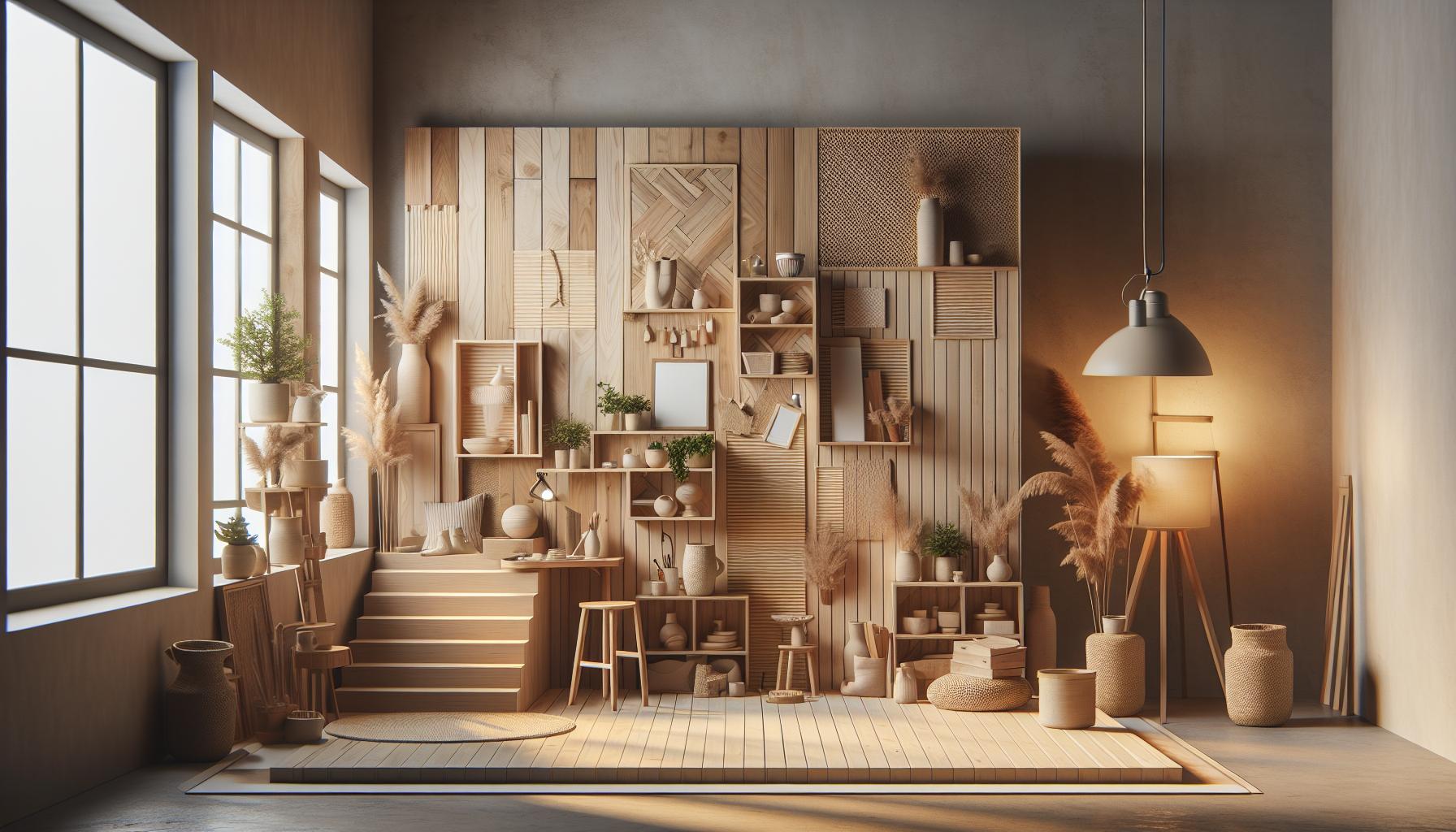
constructing your own temporary wall is an empowering DIY project that opens up a world of possibilities within your living space. Whether you need a home office, a nursery, or simply want to create distinct areas for different activities, a temporary wall can be built quickly and economically. This method allows you to adapt your environment as your household needs change while maintaining flexibility without the permanence of traditional construction.
Materials You’ll Need
Before diving into the construction, gather the following materials to ensure a smooth process:
- 2×4 lumber for framing
- Drywall or plywood for wall panels
- Wood screws or nails
- Stud finder
- Measuring tape
- Level
- Power tools (drill, saw)
- Optional: soundproofing materials
Step-by-Step Construction Process
- Plan Your wall: Start by measuring the space where you wish to install the temporary wall. Determine the dimensions based on how you plan to use the new area. Mark the location on the floor and ceiling using a chalk line for clarity.
- Frame the Wall: using the 2×4 lumber, construct the frame by cutting pieces for the top, bottom, and vertical studs. The vertical studs should be spaced 16 inches apart for strong support. Assemble the frame on the floor before raising it into position.
- Install the Frame: With assistance, lift the frame into place resting against the wall and the ceiling. Use a level to ensure that the frame is plumb (perfectly vertical). Secure it to the floor and the adjacent wall with screws or nails.
- Add Wall Panels: Once the frame is secured, cover it with drywall or plywood panels to create the surface of your wall. Attach the panels to the studs using screws for a secure fit. If using drywall, consider finishing the edges with joint tape and compound for a smoother appearance.
- finishing Touches: paint or finish your temporary wall to match your existing decor. If you desire additional benefits, consider adding soundproofing materials between the studs before installing the paneling.
By following this straightforward guide, you’ll learn how to build a temporary wall that provides you with the flexibility needed to transform your living space in minutes. Whether you’re redesigning your work-from-home setup or simply seeking privacy, this cost-effective solution empowers you to adapt your home environment creatively.
Creative Ideas for Using Temporary Walls to Maximize space
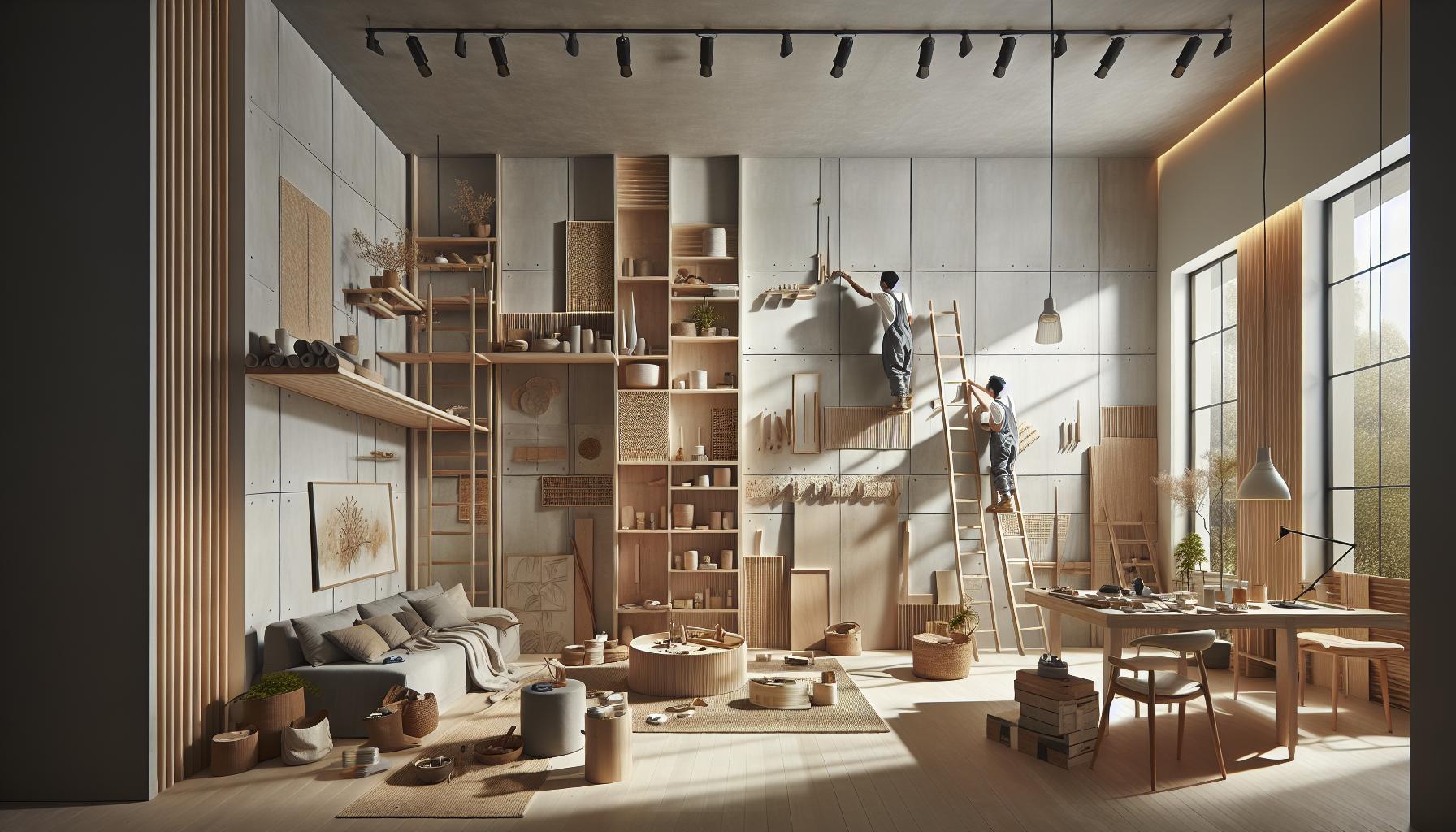
Creating a dynamic living or working space can be challenging, especially when every inch counts. Temporary walls offer a versatile solution that can be employed in a multitude of innovative ways to transform your environment without permanent alterations. whether you’re seeking privacy in an open office, a cozy nook in a large room, or distinct spaces for various activities, these flexible structures can provide tailored solutions that adapt to your needs.
Innovative Uses for Temporary Walls
There are countless possibilities when it comes to integrating temporary walls into your space. Here are some creative ideas to get you started:
- Home Office Flexibility: If you’re working remotely, a temporary wall can create a dedicated workspace. Use lightweight partitions to segment off a corner of your living room or bedroom, thus minimizing distractions during work hours.
- Guest Accommodation: Transform your living area into a guest suite by erecting a temporary wall. This not only offers privacy for your guests but also maximizes your space by allowing you to use the same area for multiple purposes.
- activity Zones: For families or those who enjoy hosting, temporary walls can define different activity zones. Set up a game area, a quiet reading nook, or a home gym without any permanent construction necessary.
- Seasonal Adjustments: As the seasons change, so might your needs. Install temporary walls that can be put up or taken down easily to accommodate holiday gatherings, summer barbeques, or cozy winter nights by the fire.
Visual Appeal and Functionality
in addition to their practical benefits, temporary walls can also enhance the aesthetics of your space. Here are some engaging ideas to consider:
- Decorative Accents: Use stylish fabric or wood panels to not only define spaces but also add personality. Choose materials that complement your existing decor or incorporate bold patterns and colors.
- Artistic Expression: Turn a temporary wall into an art installation. Hang artwork, photographs, or inspirational quotes to add a layer of creativity and character to your space.
- Lighting Effects: Incorporate lights along temporary walls to create atmosphere. Whether it’s soft fairy lights for a cozy vibe or spotlights for a home gallery, lighting can transform the feel of an area.
| Use Case | Materials needed | Estimated Setup Time |
|---|---|---|
| Home Office | Fabric panels or folding screens | 30 minutes |
| Guest Accommodation | Wall dividers or curtains | 1 hour |
| Activity Zones | Modular wall systems | 2 hours |
| Decorative Accents | Wood panels, paint, or wallpaper | 1-2 hours |
By leveraging these creative concepts for temporary walls, you can effectively maximize your space while ensuring that it remains functional and visually appealing. Not only do these solutions offer flexibility, but they also provide a personal touch that can be easily adjusted to fit your lifestyle—revealing how straightforward it can be to embrace the idea of ‘How to Build a Temporary Wall: Flexible Space in Minutes’!
Safety First: Essential Guidelines for Building Your Wall
When undertaking the construction of a temporary wall, whether for a quick home renovation or creating flexible spaces for events, establishing a firm understanding of safety protocols is paramount. working with tools and materials poses inherent risks, and adhering to safety guidelines not only protects you but also ensures a smooth and efficient building process.
First and foremost, be equipped with the right personal protective equipment (PPE). This includes safety goggles to shield your eyes from debris, sturdy gloves to protect your hands, and a dust mask if you’re working in areas with potential airborne particles. Ensuring these precautions can prevent minor accidents from turning into major injuries. Here are more considerations for safety:
- Work in a well-ventilated area: Adequate airflow minimizes exposure to harmful fumes or gases that may arise from construction materials.
- Check for utility lines: Before you start building, ensure you are aware of any electrical or plumbing lines that may be hidden behind walls.
- Use tools correctly: Familiarize yourself with each tool’s manual and adhere strictly to its usage instructions. If you’re unsure about a tool, don’t hesitate to ask for assistance.
Planning and Preparation
A key factor in ensuring safety during the construction of a temporary wall is meticulous planning. Before you begin, take some time to outline your project and gather the necessary materials. This reduces the likelihood of unexpected interruptions, which can lead to accidents. When laying out your materials, organize them systematically to create a clutter-free workspace:
| Material | Preparation Steps |
|---|---|
| drywall | Make sure edges are smooth to avoid cuts. |
| Studs | Check for splinters and mark cutting lines clearly. |
| Screws/Nails | Store in a clearly labeled container to reduce trip hazards. |
Lastly, don’t underestimate the importance of having a helper. Having an extra pair of hands not only speeds up the process but can also provide immediate assistance in case of emergencies. if you are unsure about your ability to handle certain aspects of the build or the weight of materials, consider seeking help from someone experienced or even hiring a professional. A collective approach ensures that safety is a shared responsibility, contributing to a more secure and successful construction experience.
Easy Ways to Finish and Decorate Your Temporary Wall
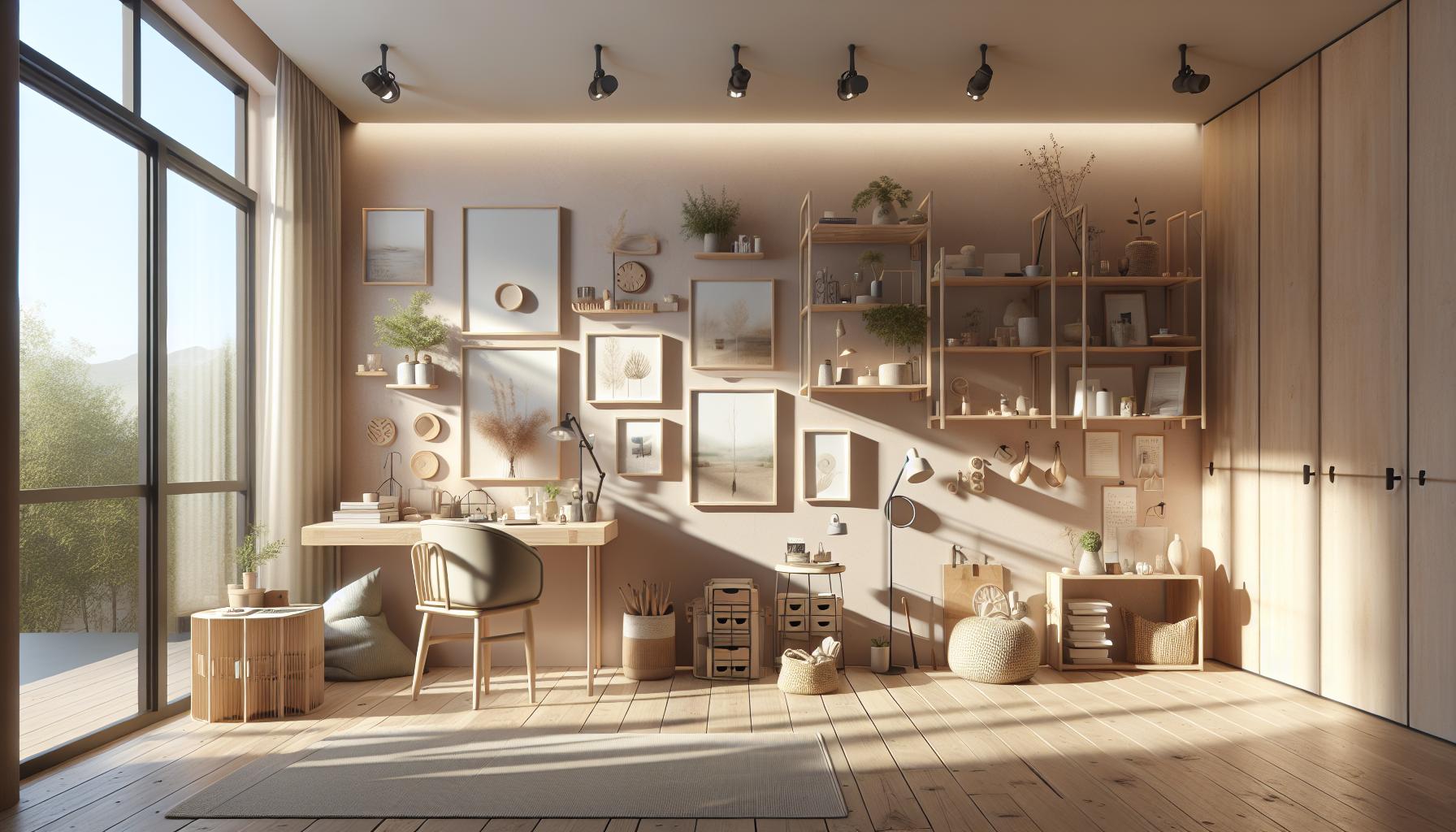
Creating a temporary wall is just the first step in transforming your space; the finishing touches and decoration can significantly enhance its aesthetics and functionality. Whether you’re converting an office into a home workspace or partitioning a living room,personalizing your temporary wall can make all the difference. Here are some practical and imaginative ways to achieve a polished finish that suits your style.
concealing the Frame
To give your temporary wall a seamless look, consider concealing the structural elements. Use paint that matches your existing walls for a cohesive appearance, or if you’re feeling creative, add an accent color to make a statement. Remember, the choice of paint can be quite impactful; here are some suggestions:
- Matte Finish: Offers a sophisticated look while hiding imperfections.
- Glossy Finish: Adds a modern touch and is easy to wipe clean.
- Chalkboard Paint: Perfect for a more playful area, allowing for creativity and interaction.
You can also consider using wall decals or panels to cover screws and nails; this will not only camouflage but also allow you to add patterns or textures that enhance your décor.
Dress It Up with Fabrics
Fabrics are an excellent way to add warmth and texture to a temporary wall. A simple curtain hanging can act as a divider, offering both privacy and style. Various fabric options include:
- Sheer Fabrics: Create a light, airy feeling while allowing light to pass through.
- Thicker Fabrics: Provide sound dampening and a cozier atmosphere.
- Textured Fabrics: Velvet or linen can add depth to your space.
consider incorporating a tapestry or quilt as a focal art piece to enhance visual interest. This approach is particularly useful in multi-functional spaces, where the wall’s purpose may need to shift over time.
Accessorize with Functionality
To maximize the utility of your temporary wall, think about adding functional accessories. A well-placed shelf can provide storage for books, decorative items, or office supplies, while pegboards can offer organizational potential. Here’s how you can effectively accessorize:
| Accessory | Functionality |
|---|---|
| Shelves | Display items or keep essentials within reach. |
| Pegs | Hang tools, bags, or accessories for easy access. |
| Whiteboards | Serve as a brainstorming space or planning station. |
By integrating these elements, you not only personalize your temporary wall but also ensure it serves multiple purposes, adapting effortlessly to your lifestyle needs.
With these finishing touches, your temporary wall can transition from a simple DIY project to a stylish and functional feature in your home. The potential for creativity is vast, allowing you to express your unique style while maximizing the utility of your space.
Disassembly Made Simple: Tips for Taking Down Your Temporary Wall
When it’s time to reclaim your space, dismantling a temporary wall can be both a satisfying and straightforward process. Whether you’ve constructed your barrier for a short-term project, a seasonal event, or simply to create a flexible space, knowing the right techniques can make disassembly as easy as put-up. By following a few practical steps, you’ll soon be enjoying the open area once more.
Preparation is Key
Before you jump into disassembling your temporary wall, take a moment to prepare. Clearing the area of any furniture or obstacles will provide you with ample room to work. Gather all necessary tools, such as a utility knife, screwdrivers, or a pry bar, to streamline the process.Make sure to have a container ready for collecting screws and any small parts—you’ll thank yourself later when it’s time to reassemble or reuse your materials.
Step-by-Step Disassembly Process
To make the process more manageable, consider following these steps:
- Check for Stability: Before you start, ensure the wall is stable and not holding up any fixtures or electrical components.
- Remove cladding: If your temporary wall has any cladding (like plywood or fabric), carefully detach it using a utility knife or screwdriver, depending on the fasteners used.
- Take Down Framework: If the wall is structured with a frame,use your screwdriver or pry bar to remove any screws or nails securing the frame to the floor or ceiling.
- Carefully Dismantle Components: If your wall includes shelving or any attached hardware, dismantle these pieces first to avoid unnecessary damage.
- Store and Sort: As you disassemble, label and store each component in a designated box to make future projects hassle-free.
Safety and cleanup
Remember that safety should always be your priority. Wear gloves and safety goggles to protect yourself from sharp edges or falling debris during the disassembly. once the temporary wall is down, conduct a thorough cleanup to remove any leftover materials, dust, or debris left behind. this not only enhances your space but is a crucial step before transitioning back to your original layout.
By keeping these simple yet effective tips in mind,you’ll be able to take down your temporary wall efficiently and effortlessly. With a little preparation and the right techniques, reclaiming your space can become a pleasurable experience, allowing you to enjoy your home as you intended while making flexible space whenever necessary.
FAQ
How to Build a Temporary Wall: Flexible Space in Minutes?
Building a temporary wall is simple! Start by measuring your space and gathering materials like drywall,wooden studs,and construction adhesive. Use basic tools like a saw and a level to construct a wall that can be easily taken down later.
Creating flexible space in your home allows you to redefine areas quickly. As an example,you can transform a large living room into a cozy office nook. Remember to secure the wall properly, especially if you’ll hang items on it. For more facts on the tools needed, check out our article on best tools for DIY projects.
What is a temporary wall?
A temporary wall is a non-permanent partition that can be installed quickly and removed with ease. It is often used for creating flexible spaces without the commitment of permanent construction.
These walls can be made of various materials, such as drywall, plywood, or even curtains, depending on your needs. They are perfect for seasonal changes or for making a room multifunctional, without undergoing major renovations.
Why does someone want to build a temporary wall?
People build temporary walls for flexibility and convenience. They allow you to adjust the usage of a space based on changing needs, whether for work, play, or hosting guests.
Moreover, temporary walls can help create privacy in shared spaces, making them great for studios or apartments. With a temporary solution, you can easily experiment with layouts or themes without long-lasting effects.
Can I build a temporary wall on my own?
Yes, you can definitely build a temporary wall by yourself! many DIYers find this project manageable with the right planning, tools, and a bit of creativity.
Consider involving a friend for extra effort and support. Following online tutorials or guides can also help you navigate potential challenges. Your wall can be both functional and stylish, while also being an enjoyable project to tackle!
What materials do I need to build a temporary wall?
Common materials for a temporary wall include wooden studs, drywall, and construction adhesive. You can also use lightweight options like fabric or freestanding screens for a more flexible approach.
Always choose materials that fit your design goals and the intended use of the space. If you are considering a more decorative option, think about paint or wallpaper that complements your existing décor.
Can a temporary wall support shelving or storage?
yes, a temporary wall can support shelving or storage, but it requires proper installation. Use wall anchors or brackets to ensure safety and stability, especially if it’s holding substantial weight.
Consider the distance between studs when planning your shelving layout. additionally, lightweight decor can add flair without compromising the wall’s integrity. Always check the load limits to avoid accidents!
How long does it take to build a temporary wall?
Building a temporary wall can take anywhere from a couple of hours to a day. Factors include the size of the wall, your experience level, and the materials used.
If you’re organized and have all your tools ready, you can certainly finish it in a single day. Remember to plan breaks so the process remains enjoyable. With practice, you’ll find it becomes even quicker!
The Conclusion
Building a temporary wall can be a rewarding project that not only enhances the functionality of your space but also sparks your creativity! We’ve explored various methods and materials, from simple partitions to more robust options, ensuring there’s a solution for everyone, whether you’re a novice or a seasoned DIY enthusiast. Remember, preparation is key—measure your space carefully, choose the right materials, and don’t hesitate to get a little creative with your design.
As you embark on your journey to create flexible spaces, keep in mind that trial and error is part of the process. Embrace it! Take inspiration from your surroundings and let your ideas flow. If you run into bumps along the way,don’t worry; every great project comes with a few hiccups,and that’s how we learn.
Now that you’re equipped with the knowledge to construct your own temporary wall, dive in, get hands-on, and enjoy the transformation of your space. Keep exploring ideas,share your experiences,and engage with fellow DIYers to enrich your journey. Happy building!


